When business owners search for a marketing agency, one of the first questions they ask is:
“How much does marketing cost?”
It’s a fair question — but it’s often the wrong starting point.
The better question is:
“What kind of marketing investment will actually help my business grow?”
At
Relentless Business Mastery, we believe marketing should be strategic, measurable, and built around your actual business goals — not generic packages designed for everyone.
In today’s SEO, AI-search, and local-first digital landscape, successful marketing requires far more than simply “running ads” or posting on social media. Businesses that dominate their markets in 2026 are investing in visibility, authority, customer experience, and conversion strategy.
Why Marketing Costs Vary So Much:
No two businesses are in the same position.
A local contractor in Reno trying to rank on Google Maps has completely different marketing needs than:
- a law firm competing statewide,
- an eCommerce brand selling nationally,
- or a medical practice focused on local patient acquisition.
Marketing pricing depends on factors such as:
- Current online visibility
- Website performance
- SEO foundation
- Competition in your market
- Geographic targeting
- Advertising goals
- Revenue objectives
- Existing brand authority
- Content strategy needs
- AI and search optimization requirements
That’s why reputable agencies avoid “one-size-fits-all” pricing.
Effective marketing starts with strategy first.
What Small Businesses Typically Spend on Marketing:
Most small businesses invest between
5%–15% of gross revenue into marketing depending on growth goals and competition.
Common ranges include:
Business Type
Typical Monthly Marketing Investment
Small Local Business
$1,500–$5,000
Competitive Service Business
$3,000–$10,000
Multi-Location Business
$8,000–$25,000+
Aggressive Growth Companies
$10,000–$50,000+
These numbers can include:
- SEO
- Local SEO
- AI search optimization
- PPC advertising
- Website optimization
- Content marketing
- Social media
- CRM automation
- reputation management
- email campaigns
- conversion optimization
The real question is not:
“What is the cheapest option?”
It’s:
“What will generate the highest return over time?”
Why Cheap Marketing Usually Costs More:
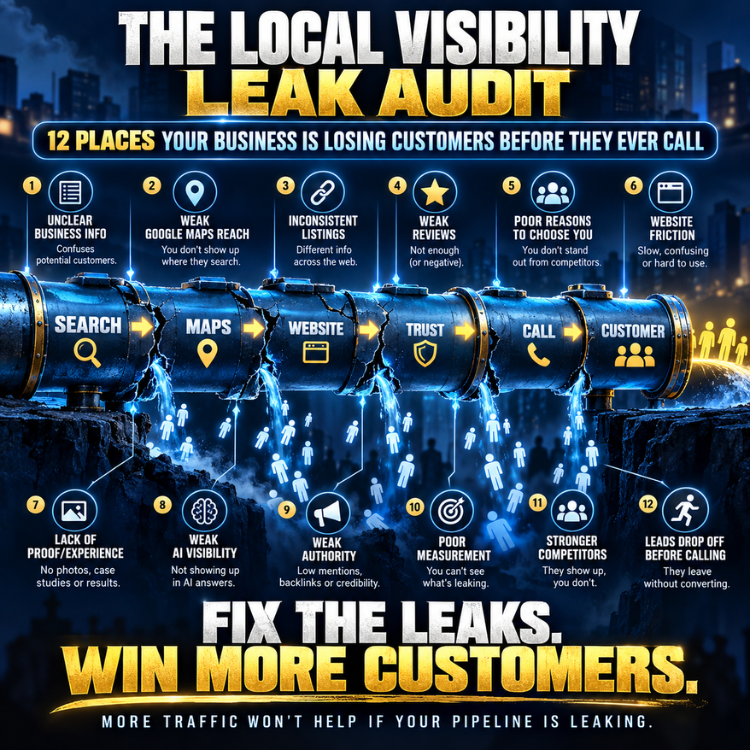
One of the biggest problems in the marketing industry is agencies selling low-cost services with little strategy behind them.
Businesses often come to us after:
- paying for SEO that never improved rankings,
- running ads with no conversion tracking,
- hiring overseas freelancers with no accountability,
- or investing in websites that looked good but generated no leads.
Cheap marketing often creates:
- wasted ad spend,
- poor lead quality,
- weak branding,
- inconsistent messaging,
- and lost market visibility.
In competitive markets, ineffective marketing doesn’t just slow growth — it helps competitors take your customers.
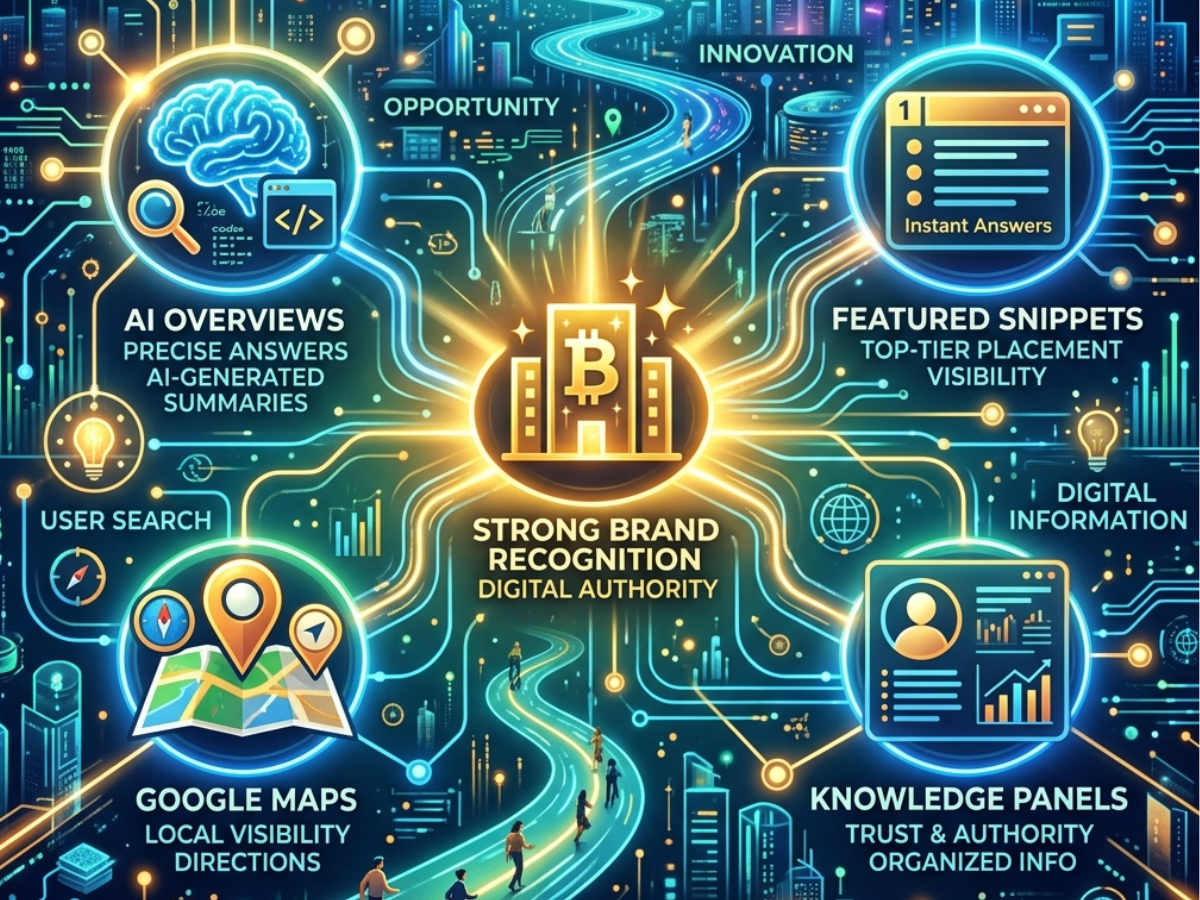
SEO, GEO, and AIO Are Changing Marketing in 2026:
Marketing is evolving rapidly.
Businesses today must optimize not only for traditional Google rankings, but also for:
- AI search engines,
- voice search,
- geographic relevance,
- local authority,
- and answer-engine optimization (AEO).
This is where many older agencies are falling behind.
Modern marketing requires:
- structured SEO content,
- localized authority signals,
- high-quality topical content,
- schema optimization,
- AI-readable website structure,
- and conversion-focused user experience.
At
Relentless Business Mastery, we focus on building strategic growth systems that help businesses improve visibility across both traditional and emerging search platforms.
What Businesses Should Ask Instead of “How Much?”
Instead of focusing only on price, smart business owners ask:
What results should I realistically expect?
A good agency should explain timelines, benchmarks, and measurable KPIs.
How will success be measured?
Leads, rankings, traffic, conversions, revenue growth, and customer acquisition should all be tracked.
What makes your strategy different?
Many agencies recycle the same tactics for every client.
How does your agency adapt to AI search changes?
Search behavior is evolving quickly, and your marketing strategy needs to keep pace.
Marketing Is an Investment — Not an Expense
The businesses growing fastest in 2026 are not always the ones spending the most money.
They’re the ones investing strategically.
The right marketing partner helps you:
- increase visibility,
- generate qualified leads,
- strengthen brand authority,
- improve conversions,
- and create long-term momentum.
That requires strategy, consistency, and execution.
Not gimmicks.
Final Thoughts
If you’re evaluating marketing agencies, avoid making decisions based solely on the lowest price.
Instead, look for a partner that understands:
- SEO,
- AI search optimization,
- local market dominance,
- conversion strategy,
- and sustainable business growth.
Because effective marketing is not about spending more.
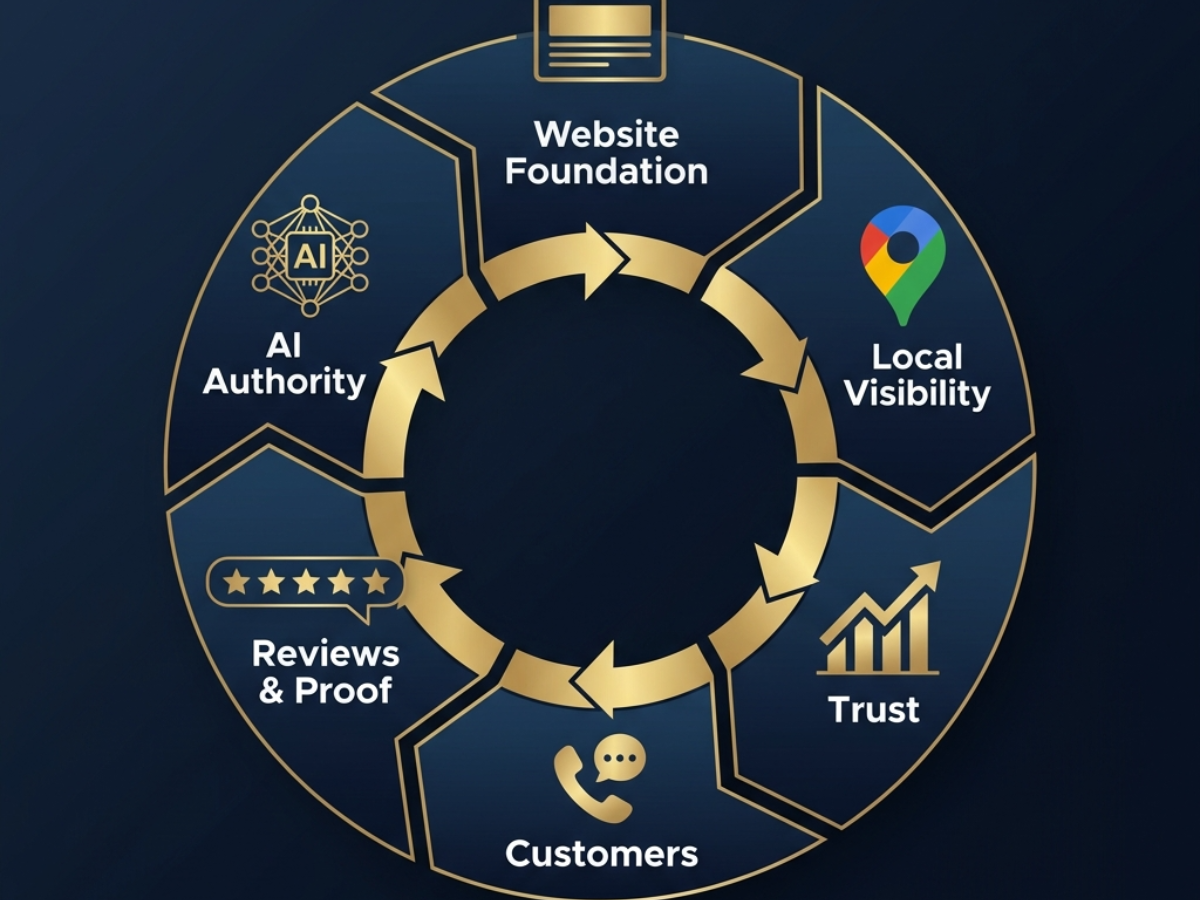
It’s about building a system that consistently drives the right customers to your business.