Quick answer: A local visibility leak is a weakness in a business's digital presence that stops potential customers from finding, trusting, or contacting it. Common leaks include incomplete Google Business Profiles, inconsistent listings, weak reviews, unclear website messaging, poor local relevance, missing trust signals, and inadequate visibility in AI-powered search tools.
Most marketing advice tells you what to add. Add more content. Add more keywords. Add more ads. Add more automation.
But before you spend another dollar generating traffic, it's worth asking a different question: where is the traffic you already have leaking out before it ever turns into a customer?
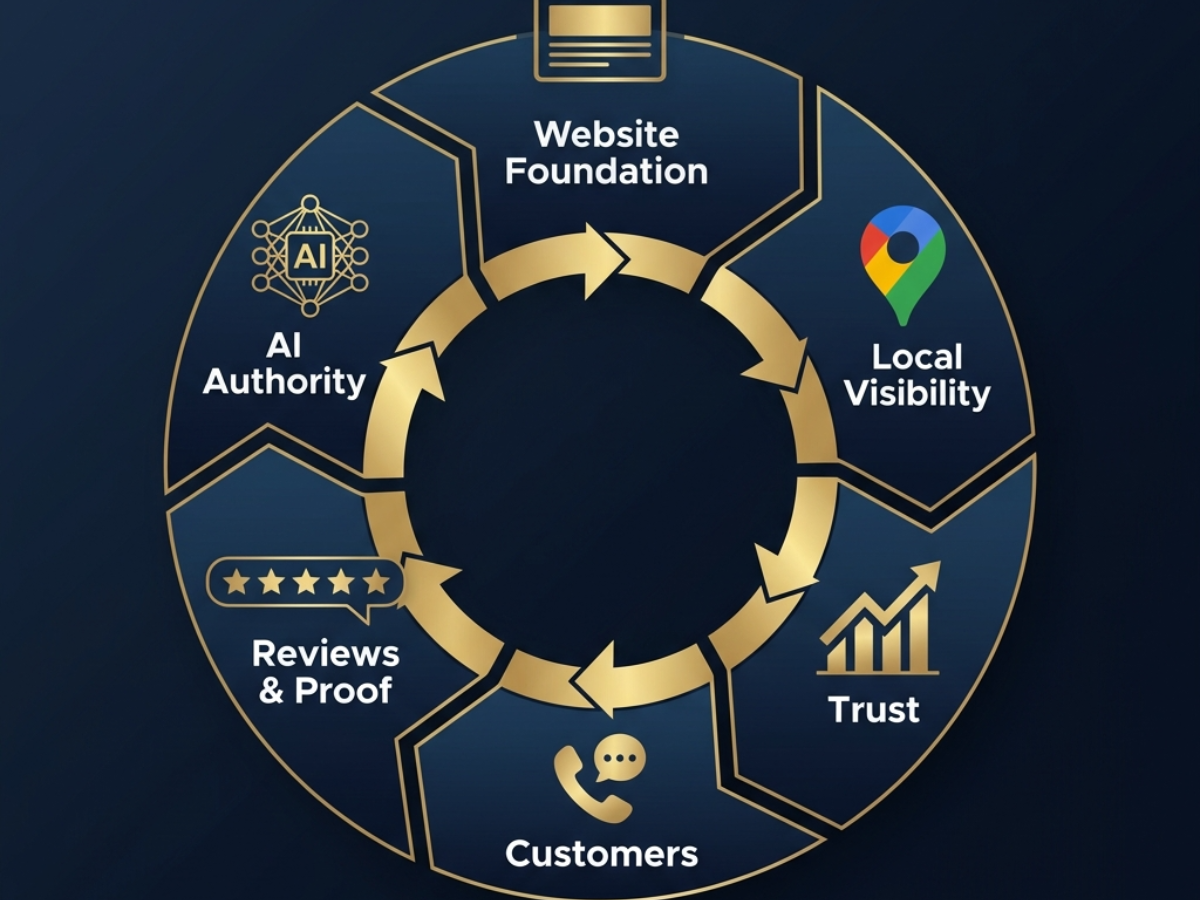
Think of your local visibility like a pipeline. Customers enter searching for what you sell.
Somewhere between that search and a phone call, some of them disappear. They don't convert. They don't call. They never even see you.
That's a leak. And most business owners have no idea how many of them exist in their marketing right now.
This audit walks through 12 of the most common places local businesses lose customers, often without realizing it's happening. We'll use Reno as our working example throughout, but the underlying question applies everywhere. A contractor in Reno may compete differently than a flooring dealer in Michigan or a professional-services firm in Dallas, but the diagnostic question is identical: where does the path from search to sale break down?
What Is a Local Visibility Leak?
A visibility leak isn't always a traffic problem. In fact, most businesses we evaluate already have some traffic. The leak usually happens further down the funnel.
Here's the progression worth understanding:
Traffic problem — Nobody is searching, or you're not showing up at all.
Visibility problem — People are searching, but they can't find you clearly among the results.
Trust problem — They find you, but nothing convinces them you're the right choice.
Conversion problem — They're convinced, but your website or process makes it too hard to act.
Most businesses assume they have a traffic problem when they actually have a trust or conversion problem. That distinction changes everything about where you should be spending your marketing budget.
Leak #1: Google Doesn't Clearly Understand What You Do
Search engines and AI tools rely on clear signals to categorize your business. If your website, listings, and content send mixed or vague signals about what you actually do, Google struggles to match you with the right searches.
This is called entity clarity: how well search engines understand exactly what your business is, who you serve, and where. A remodeling company that describes itself inconsistently across its website (sometimes "general contractor," sometimes "renovation specialist," sometimes "home improvement") creates confusion that weakens its relevance for every one of those terms.
The fix starts with consistency: the same core description, services, and service area language used everywhere your business appears online.
Leak #2: Your Google Business Profile Is Incomplete or Neglected
Your Google Business Profile is one of the highest-value pieces of digital real estate available to a local business. Missing categories, outdated hours, sparse photos, and unanswered questions all weaken your standing in local search and Google Maps.
We've covered how to fully optimize a Google Business Profile in detail in our
Google Business Profile guide, but the short version is this: an incomplete profile is a leak that costs you visibility every single day it goes unfixed.
Leak #3: Your Google Maps Visibility Stops Too Close to Your Location
Many business owners check their Maps ranking from their own front door and assume that's representative of what customers see. It rarely is.
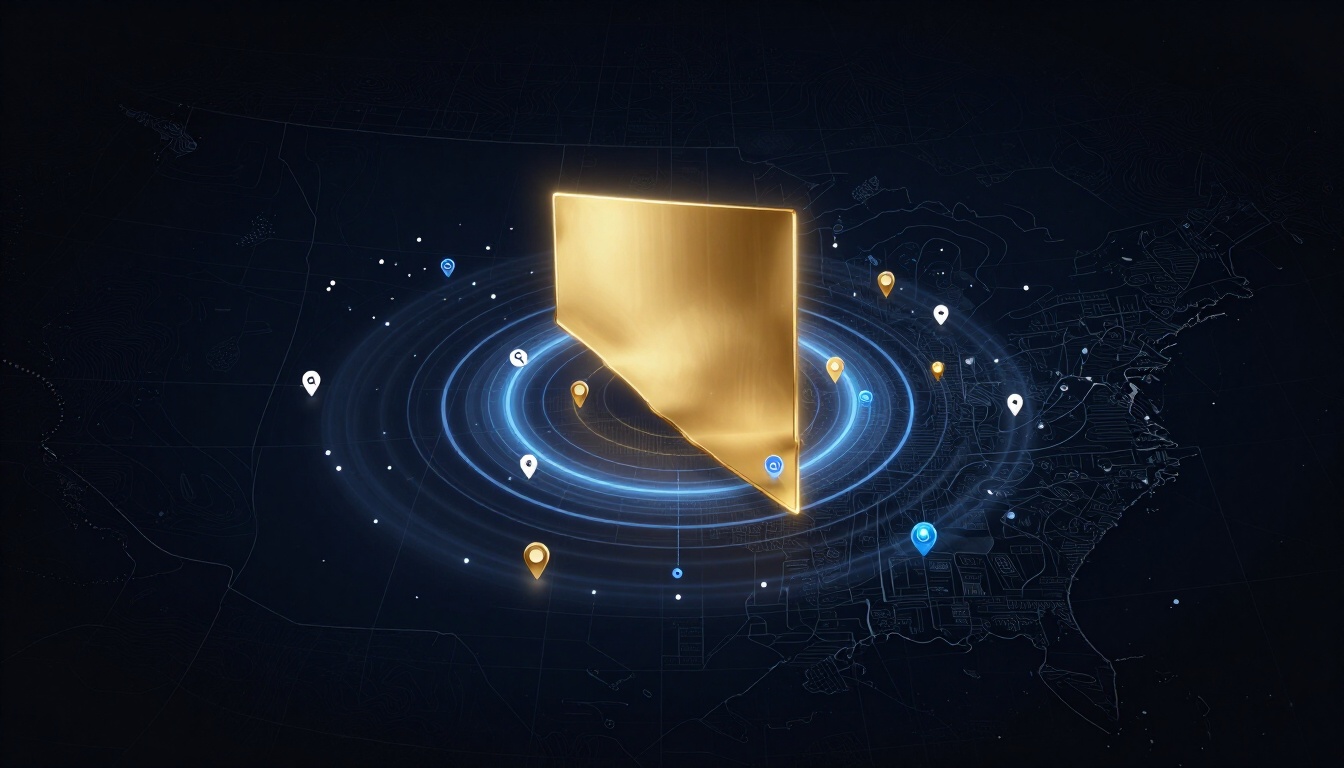
This is where geographic grid visibility matters. Your ranking in the Map Pack can shift dramatically just a few miles away; sometimes even within the same city. A Reno business might rank in the top three near its physical location but disappear entirely in a neighborhood 10 minutes away where plenty of potential customers live and search.
If you've never checked your visibility across a wider grid, you likely have no real picture of how far your Maps presence actually reaches.
Leak #4: Your Business Information Doesn't Agree Across the Web
Search engines cross-reference your name, address, and phone number across directories, listings, and citations. When that information doesn't match, an old suite number here, a missing phone extension there, it creates doubt.
This is a listings and entity consistency problem. Search engines reward businesses they can verify confidently. Inconsistent information doesn't just confuse customers; it can actively suppress your visibility because the algorithm isn't sure which version of your business information to trust.
Leak #5: You're Invisible for High-Intent "Near Me" Searches
"Near me" searches represent some of the highest-intent traffic available to a local business. Someone typing "emergency plumber near me" isn't researching; they're ready to hire.
If your business isn't optimized for these high-intent, location-specific searches, you're handing that customer directly to a competitor who is. We go deeper on this topic in our
near-me search visibility article, but the core point stands: near-me visibility isn't optional for a local business. It's often where the highest-quality leads originate.
Leak #6: Your Reviews Aren't Building Enough Trust
Review volume matters, but it's not the whole story. What matters just as much is recency, specificity, sentiment, and whether the business actually responds.
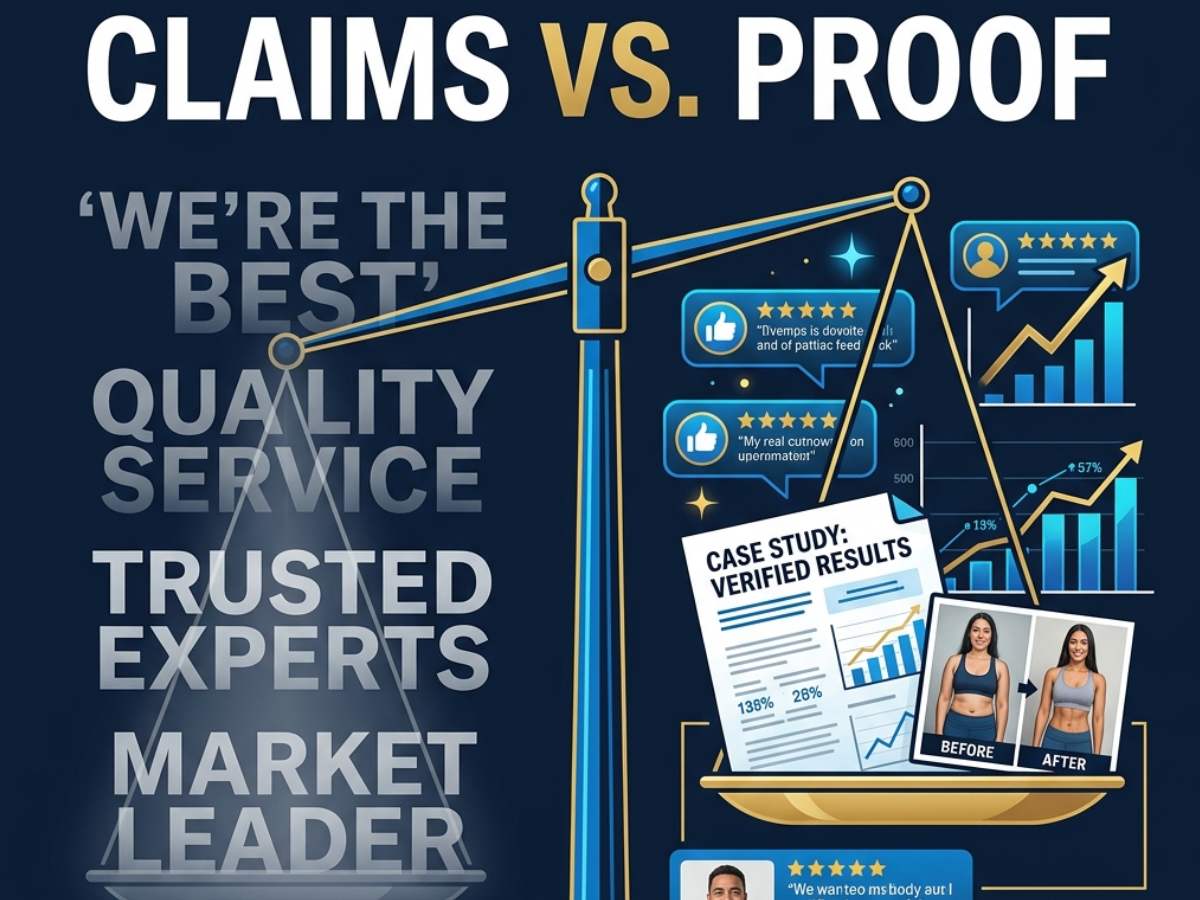
A business with 150 reviews from three years ago sends a weaker trust signal than a business with 40 recent, detailed reviews and thoughtful responses from ownership. Customers, and increasingly, AI search tools, read reviews for evidence, not just star ratings. Vague five-star reviews with no detail carry less weight than reviews that mention specific services, outcomes, or experiences.
If your review strategy stopped at "ask happy customers to leave five stars," you're likely leaking trust you could otherwise be capturing.
Leak #7: Customers Find You but Don't Understand Why They Should Choose You
This is a conversion messaging leak, and it's one of the most common we see. A customer lands on your website or profile, confirms you offer the service they need, and then leaves because nothing on the page tells them why you're the right choice compared to the next business on the list.
Being found is only half the job. The other half is giving that customer a clear, specific reason to choose you over a competitor offering the same service.
Leak #8: Your Website Makes Customers Work Too Hard
Slow load times, buried phone numbers, confusing forms, and poor mobile experience all create friction at the exact moment a customer is ready to act.
If a potential customer has to search for your phone number, scroll past three sections before finding a contact form, or wait for a page to load on their phone, some percentage of them will simply leave. Every extra step between interest and action is an opportunity for a customer to change their mind.
Leak #9: Your Content Demonstrates Knowledge but Not Experience
There's a meaningful difference between content that explains a topic and content that proves you've actually done the work. This connects directly to what Google calls E-E-A-T: Experience, Expertise, Authoritativeness, and Trustworthiness.
A blog post explaining "how to choose a roofing material" is knowledge. A blog post that includes photos from an actual Reno job, references a specific climate challenge, and explains a decision you made on-site is experience. Search engines and AI systems increasingly favor the latter because it's harder to fake and easier to verify.
Leak #10: AI Systems Don't Have Enough Evidence to Recommend You
Search is no longer limited to a list of blue links. Customers are increasingly asking AI tools directly for recommendations: "who's a reliable contractor near me" typed into ChatGPT, Gemini, or a Google AI Overview.
This is where GEO, Generative Engine Optimization, comes in. GEO is about giving AI-powered search tools enough clear, consistent, verifiable information to confidently recommend your business when someone asks. If your business lacks structured information, consistent listings, and credible third-party evidence, AI tools have nothing solid to point to, so they point to a competitor instead.
Leak #11: Your Competitors Have Stronger Third-Party Authority
Mentions, citations, backlinks, and industry associations all signal to search engines that other credible sources vouch for your business. If your competitors have stronger third-party authority, press mentions, supplier partnerships, local association memberships, industry citations, they gain a visibility advantage that's hard to close with on-page tactics alone.
This leak often goes unnoticed because it doesn't show up on your own website. It only becomes visible when you compare your authority signals directly against the businesses ranking above you.
Leak #12: You're Measuring Rankings Instead of Customers
This might be the most important leak on this list because it affects how every other leak gets prioritized.
Rankings, impressions, and traffic are activity metrics. They tell you something happened. They don't tell you whether your business grew. The metrics that actually matter are calls, form submissions, booked appointments, new customers, and revenue.
A business owner who's tracking rankings alone can look successful on paper while the phone barely rings. A business owner tracking calls and customers knows immediately whether marketing is working. If your reporting stops at rankings, you're likely leaking clarity about what's actually working, and what isn't.
Visibility Leaks We Commonly Find During Real Marketing Evaluations
Across marketing gap evaluations we've conducted for local businesses, a few patterns show up again and again: Google Business Profiles missing entire service categories, review responses that stopped a year or more ago, websites with a phone number visible only in the footer, and businesses ranking well within a mile of their location but disappearing entirely in nearby zip codes with real customer demand. None of these are dramatic failures. They're small gaps that quietly compound into missed business every month they go unaddressed.
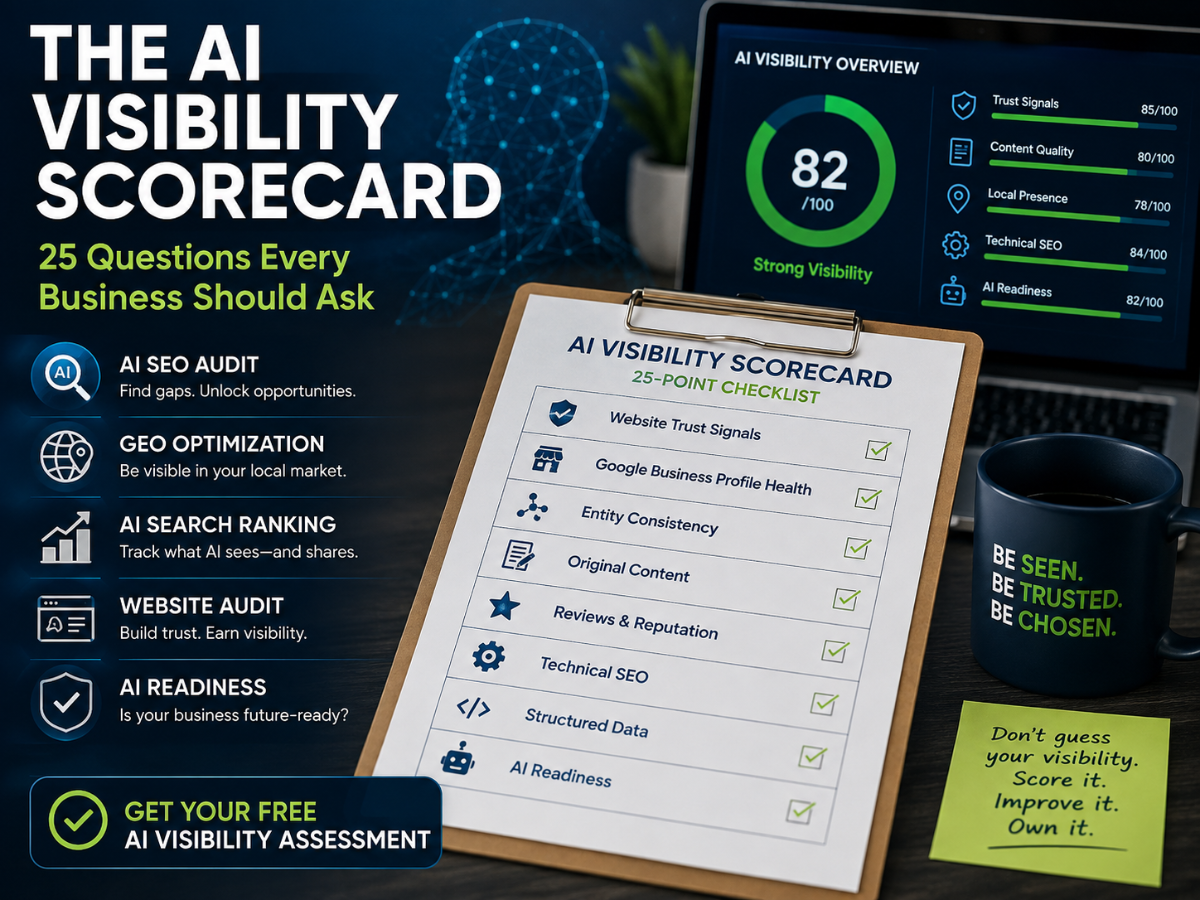
Score Your Own Visibility: The Local Visibility Leak Score
Rate your business honestly on each of the 12 areas above using this scale:
- 0 = Critical Leak — Missing entirely or actively hurting you
- 1 = Weak — Present but underdeveloped
- 2 = Adequate — Functional but not competitive
- 3 = Strong — Well-optimized and working in your favor
Add up your score across all 12 areas for a maximum possible score of 36.
A low score doesn't mean your business is failing. It means you've found exactly where your growth opportunity is hiding.
Find Your Biggest Visibility Leaks
Every leak on this list is fixable. But fixing the wrong one first wastes time and budget your business doesn't need to waste.
The smarter move is to find out exactly where your visibility is leaking before deciding where to invest. That's what a
Marketing Gap Evaluation is built to do: uncover a clear, honest look at where your business stands across all 12 areas, and what fixing them could mean for your leads, calls, and revenue.
Request your Free Marketing Gap Evaluation and find your biggest visibility leaks before your competitors find them first.