The Relentless Local Authority Framework: Become the Obvious Choice Online
Quick answer: Local business authority is the digital evidence that helps Google, Google Maps, and AI search tools confidently connect your business with the services and markets you serve. Rankings can rise and fall overnight. Authority builds lasting visibility by proving, through entity clarity, local relevance, real results, third-party validation, and AI-ready content, that your business is the obvious choice.
Rankings feel great until they disappear.
One algorithm update, one aggressive competitor, one shift in how AI answers questions, and the top spot you fought for is suddenly someone else's. If your entire strategy rests on chasing rankings, you're building on sand.
There's a better way to think about visibility. Instead of asking "How do I rank higher?", the smarter question is "How do I make search engines and AI tools confident that my business is the right answer?" That confidence is what we call local business authority. It's the foundation of the Relentless Local Authority Framework, a system built to help businesses become the obvious choice across Google, Google Maps, and AI-powered search.
This article breaks down what digital authority actually means for a local business, the five pillars that build it, and how to measure whether you have it. You'll walk away knowing exactly what separates businesses that show up everywhere from businesses that quietly disappear.
Why Rankings Alone Are No Longer Enough
Ranking is a snapshot. Authority is a track record.
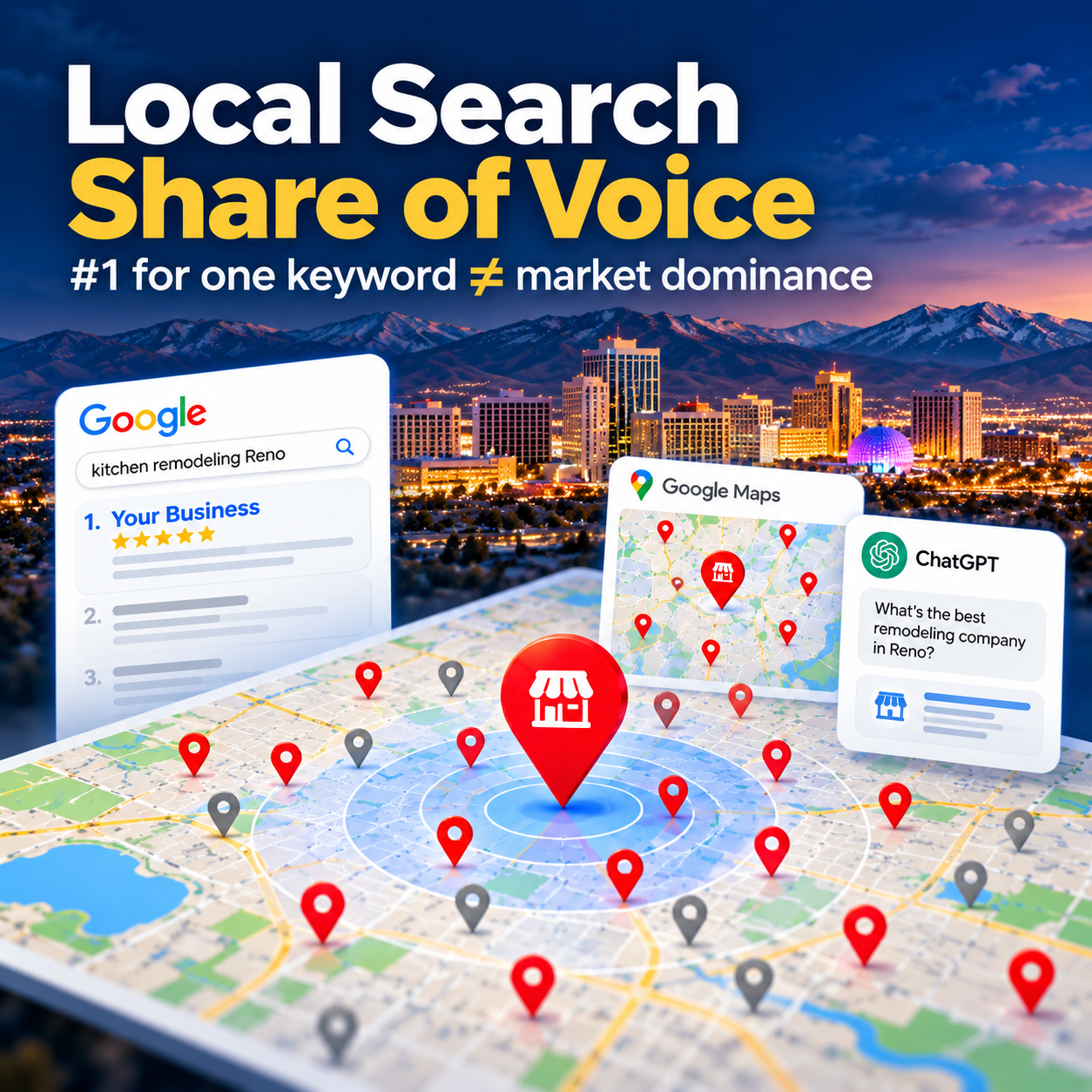
A ranking tells you where you stood at one moment, for one search, on one device, in one location. It changes constantly. AI search has made this even more unpredictable. When someone asks ChatGPT, Google's AI Overviews, Gemini, or Perplexity for a recommendation, there's no traditional "page one" to climb. These tools don't hand out ten blue links. They give a short list of trusted answers, sometimes just one.
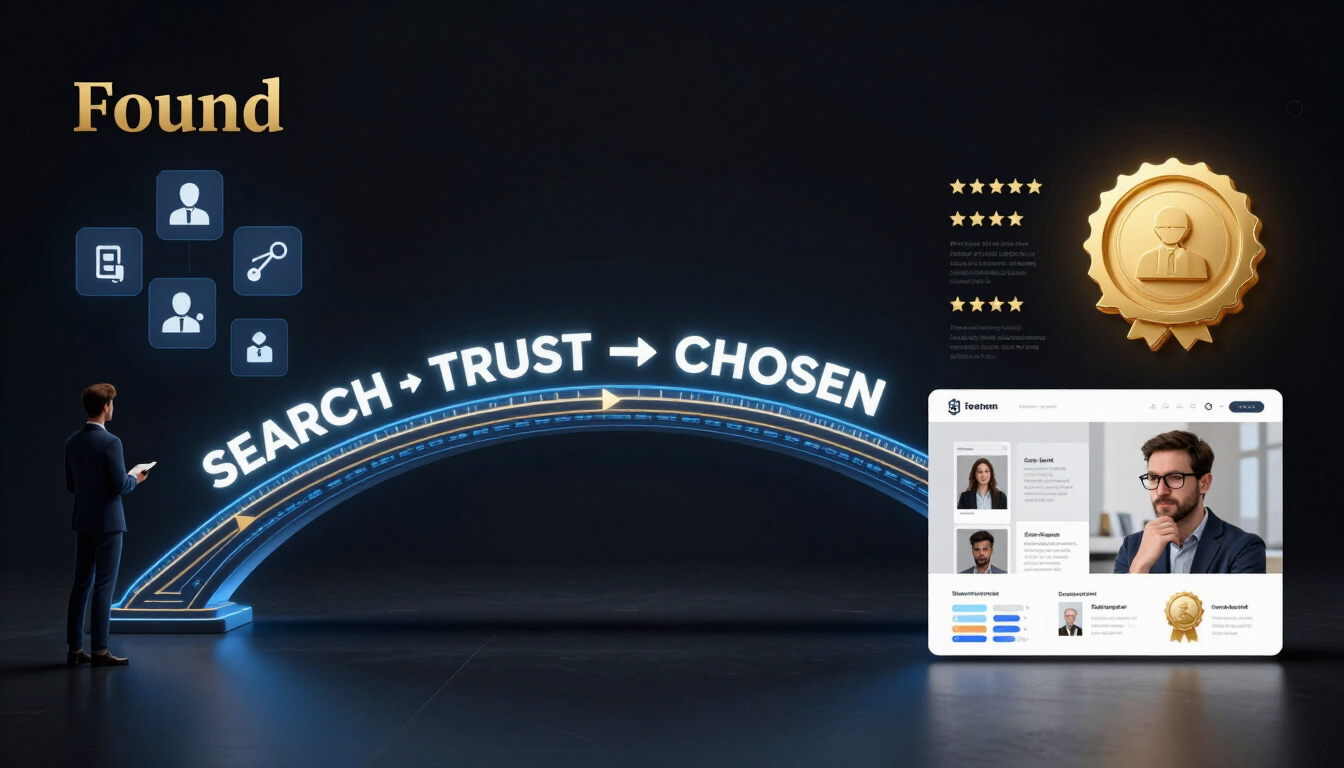
So the game has changed. You're no longer only competing for a position. You're competing to be understood, trusted, and recommended.
That's the problem with chasing rankings as your only goal. You can win a ranking today and lose it tomorrow. But when you build genuine authority, you give every search system, traditional or AI, enough evidence to keep choosing your business again and again. Rankings become a byproduct of authority, not the objective.
What Is Digital Authority for a Local Business?
Digital authority is the collection of signals that prove to search engines and AI tools who you are, what you do, where you do it, and whether you can be trusted.
Think about how you'd vouch for a business to a friend. You'd point to how long they've been around, the quality of their work, what other people say about them, and whether they're a real, established name in the community. Search engines and AI systems make the same kind of judgment, except they do it by reading data.
A business in Reno, Nevada faces the same fundamental challenge as a contractor in Dallas or a flooring dealer in Michigan: search engines need enough evidence to confidently connect that business with the services and markets it serves. Location doesn't change the rule. Evidence does.
When that evidence is strong and consistent, you become the answer. When it's thin, scattered, or contradictory, you become an afterthought.
The Five Pillars of the Relentless Local Authority Framework
The Relentless Local Authority Framework is built on five pillars. Each one supplies a different type of evidence. Together, they build the kind of authority that traditional search and AI search both reward.
Pillar 1: Entity Clarity — Google and AI Understand Exactly Who You Are
An "entity" is how Google and AI systems recognize your business as a distinct, real-world thing, not just a website. Entity clarity means your business name, address, phone number, services, and category are consistent and unmistakable everywhere they appear.
When your information conflicts across your website, your Google Business Profile, and various directories, you create doubt. Doubt kills confidence. And search systems don't recommend businesses they're unsure about.
Entity clarity is the foundation. Get this wrong, and the other four pillars can't hold weight.
Pillar 2: Local Relevance — Strongly Connected to the Markets You Serve
Local relevance is the evidence that ties your business to specific places and the customers in them.
It's not enough to say you serve an area. Search engines look for proof: content that speaks to your local market, a Google Business Profile that reflects where you operate, reviews from customers in your region, and signals that connect your services to real neighborhoods and cities.
When someone searches for what you sell nearby, you want your business to be one of the first they see. Local relevance is what earns that spot.
Pillar 3: Experience Proof — Real Results Customers Can See
Experience proof is the real-world evidence that you do what you claim, and do it well.
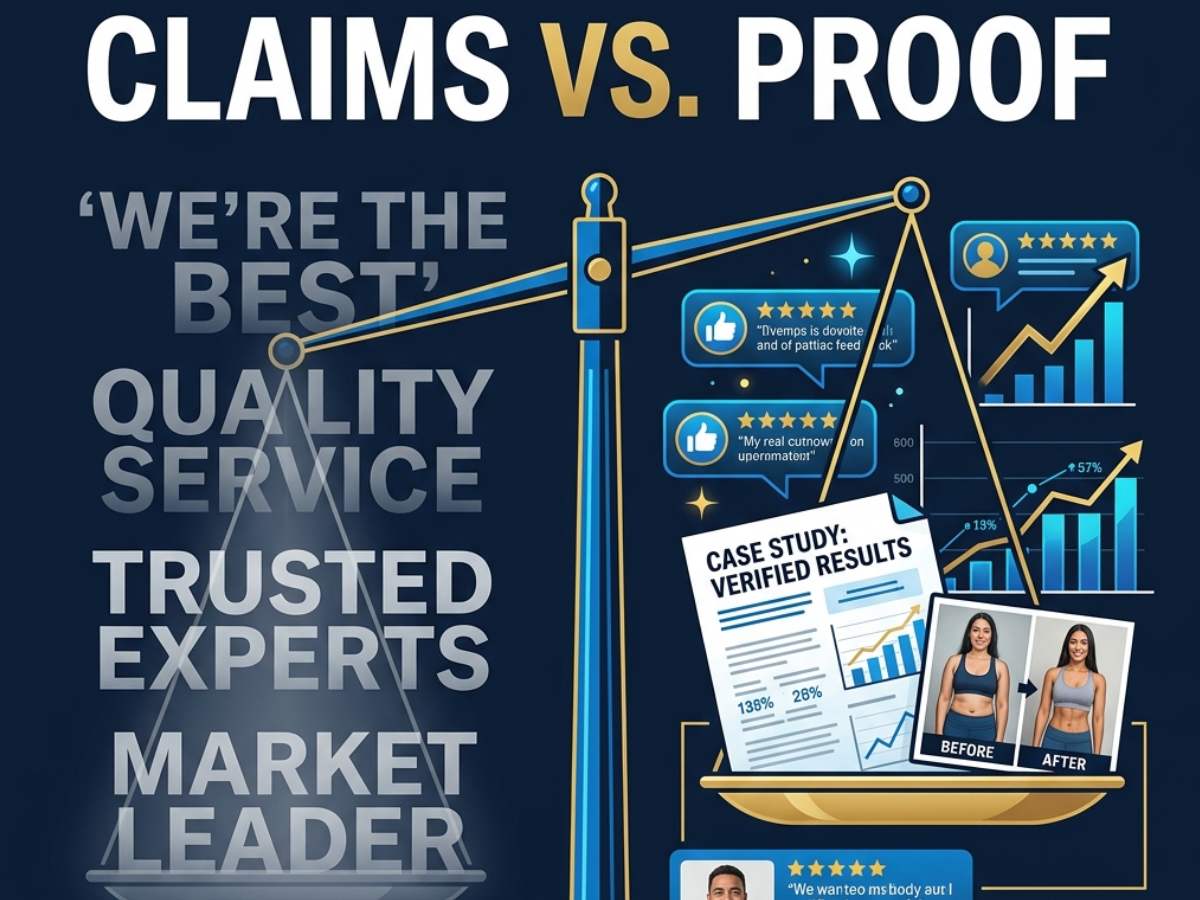
This includes reviews, photos, case studies, testimonials, and documented customer outcomes. One RBM client, Jim from Reno, saw his qualified calls jump from roughly 20% of inquiries to 80% within 90 days. That's the kind of proof that builds trust with both customers and the systems recommending you.
Google leans heavily on this signal. Its E-E-A-T standard—Experience, Expertise, Authoritativeness, and Trustworthiness- rewards businesses that demonstrate genuine, first-hand experience. AI tools do the same. They favor businesses backed by visible, verifiable results.
Pillar 4: Authority Signals — Third-Party Validation
Authority signals are the endorsements you don't create yourself: mentions, links, citations, and recognition from other credible sources.
Anyone can claim to be the best. It carries far more weight when other websites, directories, publications, and satisfied customers say it for you. These external signals tell search engines and AI systems that your business is established and respected, not just self-promoted.
The more your business is referenced across the web in accurate, credible ways, the more confidently it gets recommended.
Pillar 5: AI Readiness — Content AI Engines Can Understand and Cite
AI readiness means structuring your content so answer engines can easily read it, trust it, and quote it.
This is where Generative Engine Optimization (GEO) comes in. GEO is the practice of helping AI-powered search tools understand your business well enough to confidently recommend it. That means clear, well-organized content, direct answers to common questions, structured data, and information formatted the way AI tools prefer to pull it.
Here's why it matters for your business: when a potential customer asks an AI assistant for a recommendation, you want your business to be the one it names. AI readiness makes that possible.
How Google, Maps, and AI Search Work Together
These three channels aren't separate silos. They feed each other.
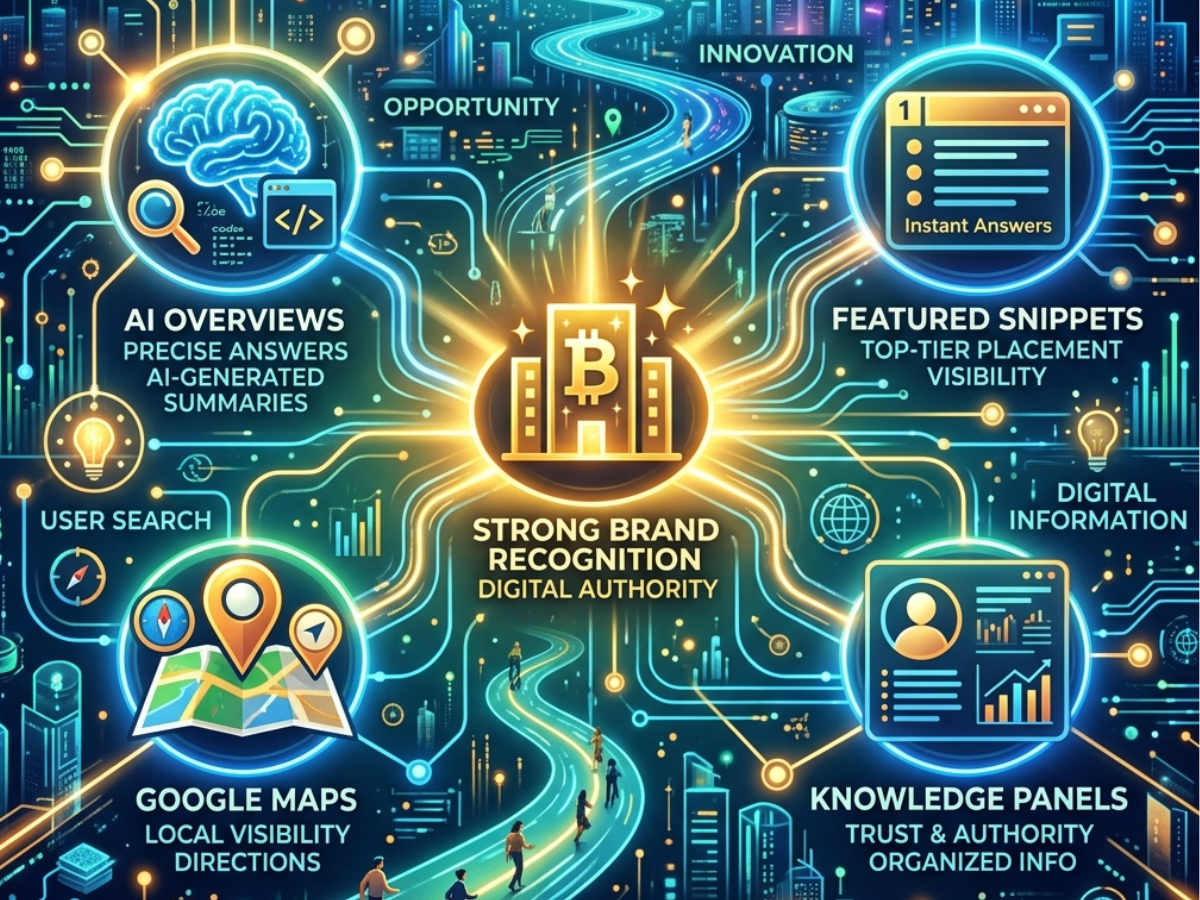
Google Search rewards businesses with strong websites, quality content, and credible signals. Google Maps rewards local relevance, an optimized Google Business Profile, reviews, and proximity. AI search pulls from both, along with the broader web, to decide which businesses to recommend.
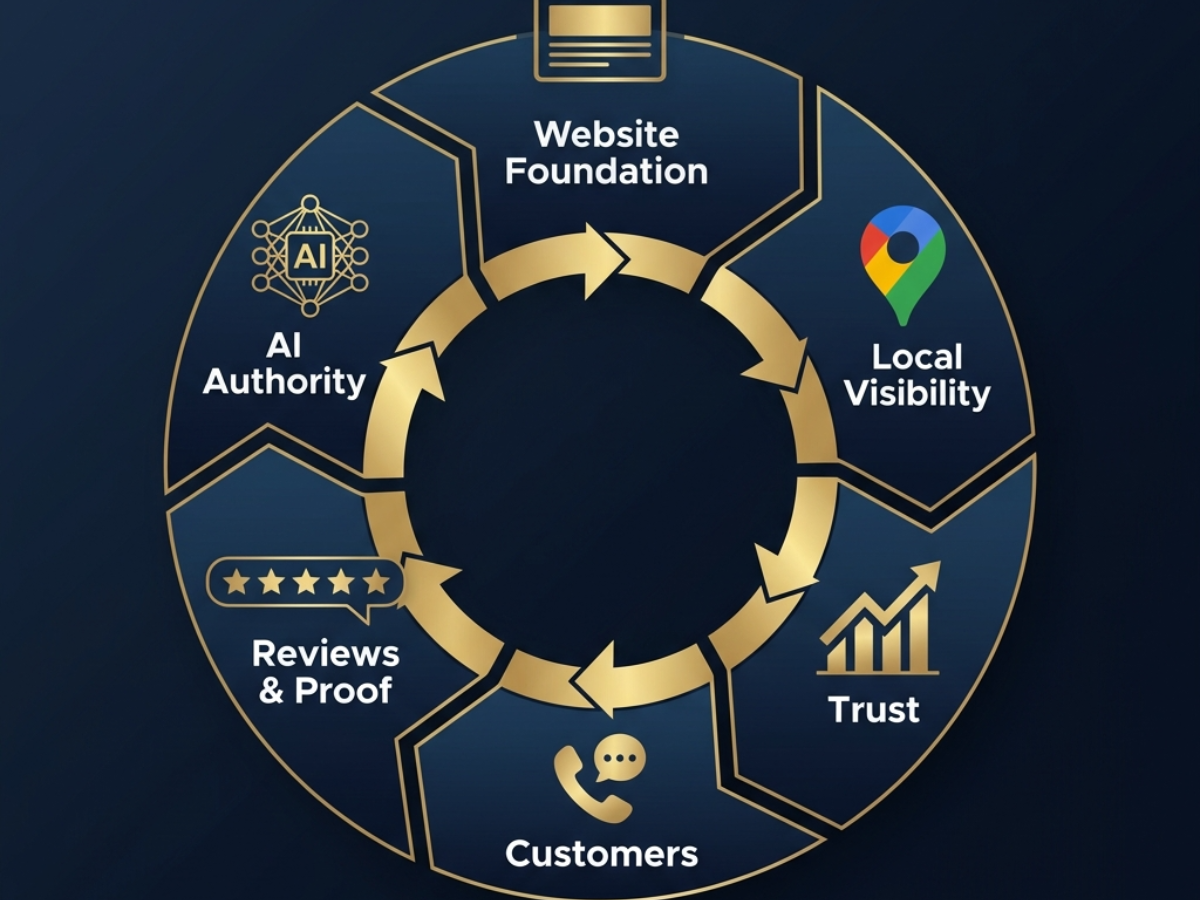
Here's the connection most people miss: the same authority that lifts you in Google often strengthens your position in Maps and improves your chances of being cited by AI. Consistent business information, genuine reviews, credible mentions, and clear content don't help one channel at a time. They compound across all three.
That's why the Relentless Local Authority Framework builds authority as a whole system. You're not optimizing for a single platform. You're building the underlying evidence that every platform respects.
Why Most Marketing Agencies Only Address Part of the Problem
Plenty of agencies do one piece well and ignore the rest.
Some obsess over rankings while your business information stays inconsistent across the web. Others build backlinks but never strengthen your Google Business Profile. Many still treat AI search as a distant trend, leaving your business invisible in the exact tools your customers are starting to use.
The result is predictable: partial authority, fragile results, and a business that shows up in one place and vanishes in another.
Too many agencies report clicks and impressions while the business owner is still waiting for the phone to ring. A framework approach fixes that. When all five pillars work together, you stop patching individual weaknesses and start building durable, compounding visibility.
How to Measure Your Local Authority
You can't improve what you don't measure. Use these five checkpoints, one for each pillar, to gauge where you stand:
- Entity Clarity: Is your business name, address, and phone number identical across your website, Google Business Profile, and major directories?
- Local Relevance: Does your content and profile clearly connect your services to the specific markets you serve?
- Experience Proof: Do you have a steady stream of recent reviews, real photos, and documented results?
- Authority Signals: Is your business mentioned, cited, or linked to by other credible websites and directories?
- AI Readiness: When you ask ChatGPT, Gemini, or Google's AI Overviews about services like yours in your area, does your business appear?
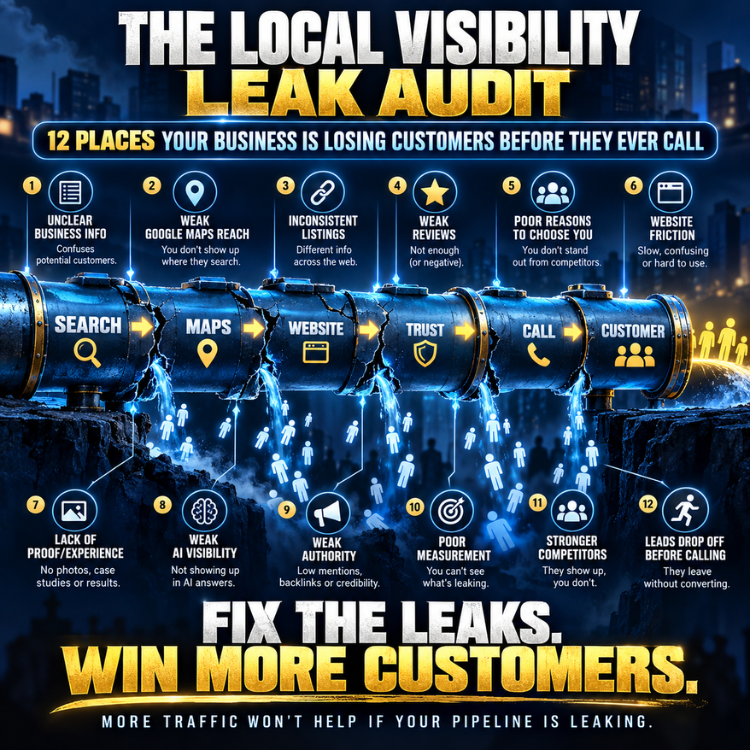
If you answered "no" or "not sure" to any of these, that's exactly where your authority is leaking, and where your competitors may be pulling ahead.
The Relentless Business Mastery Approach
At
Relentless Business Mastery, we don't chase rankings for the sake of a screenshot. We build authority that produces real business: more qualified calls, more booked appointments, more customers.
We've seen what happens when businesses treat visibility as a single tactic instead of a system. They spend money, watch a metric or two move, and still wonder why the phone isn't ringing with the right people. Our approach is different. We diagnose where your authority is weak across all five pillars, then build a customized strategy to strengthen every one: entity clarity, local relevance, experience proof, authority signals, and AI readiness.
You don't need to become an SEO expert. You need to know whether your marketing is actually making your business the obvious choice. That's the whole point of authority: when the evidence is strong, search engines and AI tools keep choosing you, and so do customers.
Find the opportunity. Build the strategy. Execute. Measure. Optimize. Repeat. That's what relentless looks like.
Ready to see where your business stands?
Request a Local Authority Evaluation to see where your visibility is winning and where it's costing you customers.